mindingmybiz

This blog is my shared process in working towards integrating self-awareness with all other aspects of life, while on my way to becoming more authentic and whole.

Archive for the category “social awareness”

An Open Letter to Influencers of Public Discourse

In the Wake of Ideological Violence and the Assassination of Charlie Kirk

A Call To Those Who Shape Narrative

How you speak about “the other” matters – especially when you likely hold influence over those who are navigating a crisis of meaning-making, often while feeling isolated and disconnected.

Young people are longing for a worldview that offers identity, congruence, and meaning. They want something substantial – directional, reliable, coherent, and rooted in communal ethos or ideological kinship.

Please hold this responsibility with reverence and urgency.

We are witnessing an uptick in ideologically and politically motivated violence – what feels like tribal warfare, where disagreement is perceived as existential threat.

The Temperature of the Zeitgeist

Young people want something to devote themselves to. Do not offer them hatred as a form of purpose.

Model conviction without contempt. Hold strong opinions – but resist the seductive ease of dehumanizing rhetoric. Do not cloak disdain as intellectual or virtuous rigor. Do not make “the other” sound like a dangerous enemy that must be eradicated for society to flourish.

Pause Before You Denounce

Again – pause before making deeply polarizing denunciations that target entire groups of people that you do not belong to. The casual, prevalent dehumanizing rhetoric of “the other” is not good for your soul – or for the collective soul of our country or our world.

Be concerned with truth.

And just as much – be concerned with humanizing those you disagree with. Attack ideas, not people. Bring nuance back into style. Being pro something does not mean being anti-someone.

Do not promote rallying around shared hatred. Instead, promote rallying around shared values. Encourage allying according to virtues not vengeance.

For Listeners and Subscribers

Be mindfully responsive to what you listen to. Are your news or social media sources serving nuance-deficient stories? Are you getting a well-rounded take – or just one side that feels overly certain and incurious?

Just like we need a well-rounded and balanced diet, we need a balanced media intake.

And remember: Online discussions should not replace in-person conversations with a variety of people and perspectives.

Let This Be a Call For Reflective Action

To those who shape public discourse: Your words and ideas are not neutral, nor inconsequential.

In the wake of this tragic violence, make space for reflection and accountability – especially when you hold influence. Speak with conviction and passion, yes. But never at the cost of dehumanizing “the other”, or advancing a narrative that serves to deepen and intensify the “us vs. them” divide.

We need your high level of self and social awareness. We need influencers to lead with critical reflection and discourse that honors the complexity of our collective human family.

Let your influence be a bridge, in such a time as this – and not a weapon. The next generation is listening.

from

Adulthood Stranger Danger

There’s a label I keep hearing people throw on others, and that is simply this: “Weird”.

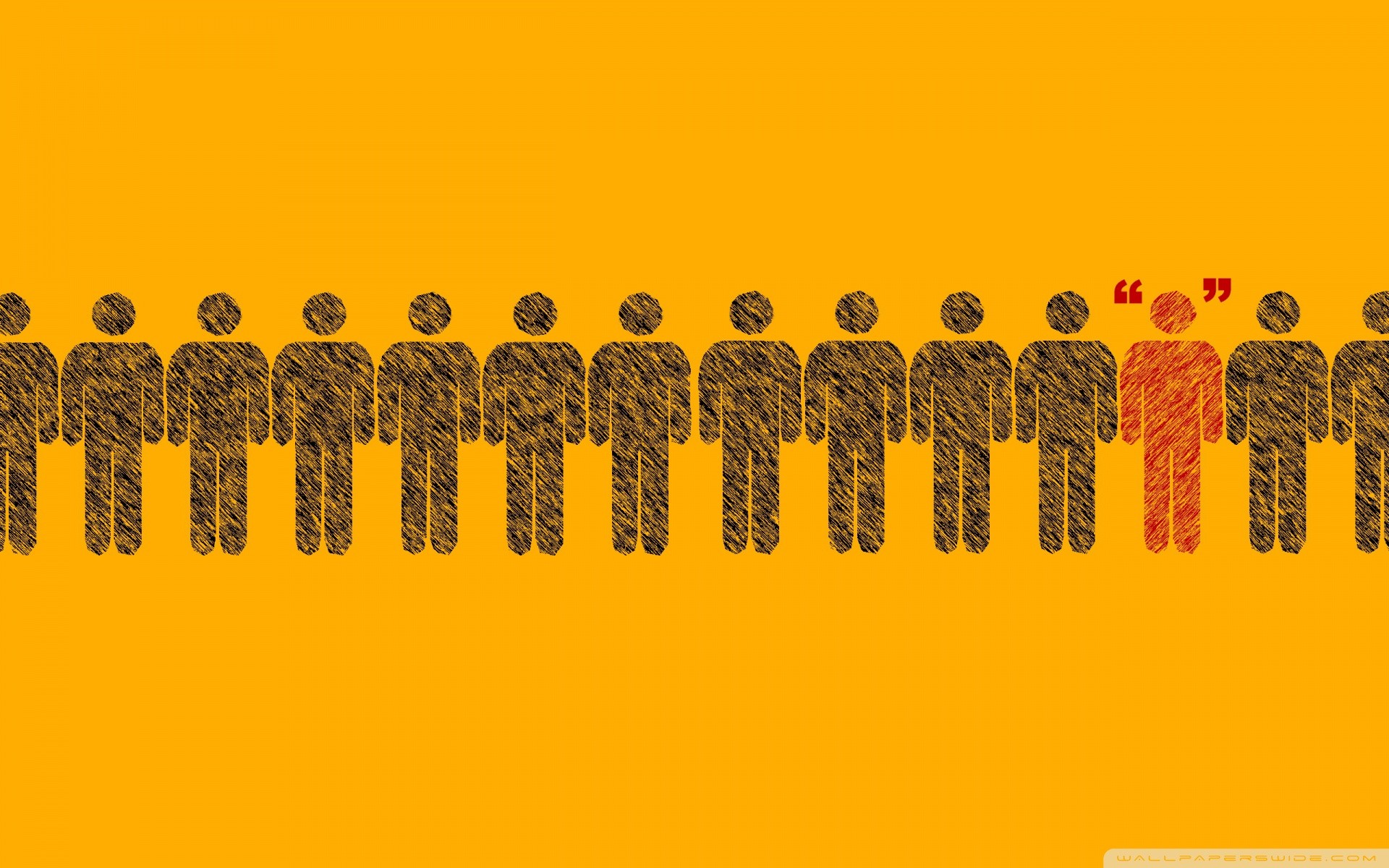
This “weird” is a pejorative, meaning: “not like me/us”. It could be anyone different, as if there is one set-standard of what’s considered “normal” and “acceptable”, which happens to confirm my biases!

In childhood, this may have helped keep kids safe from trusting all adults they didn’t know. In adulthood, the context for keeping ourselves safe is different because we are adults. We’ve got more capacity and maturity; emotionally, relationally, psychologically, financially, and physically.

What is “weird” or “strange” to us in adulthood could simply be what is unfamiliar or different. That’s it!

But how would we learn and grow if we approached everything that was unfamiliar or different as “dangerous”? Nobody would learn a new task or a new perspective or anything new at all! We would be pretty stunted people.

When it comes to meeting new people and encountering different perspectives as adults, “stranger danger” is a major barrier. If you want to learn and grow beyond what you already think and know, or think you know, then start to embrace differences.

Different does not equal danger.

Disagreement does not equal danger.

Different does not equal deviant, aberrant, unsafe, or threatening…unless of course, you’re firmly stuck in being very fragile, rigid, inflexible, and have Difference Intolerance Disorder. Admittedly we can all slip into that state of being, and – we can all move beyond it, too.

Difference Intolerance Disorder is not an actual diagnosis. I just made that up. But I’ve experienced this in myself and with others, and it stunts adult growth and development.

When you encounter people who have a different take on something than you do, this does not mean they are dangerous. It simply means they have a different perspective.

When you encounter people who disagree with you, or whom you disagree with on certain issues it does not have to equal threat. It simply means there is a disagreement – a different perspective.

People are different than you. People see things differently. This is normal. Not weird.

What is weird is this generalization of Difference-Intolerance-Disorder, in that people expect others to be just like them, or they feel a sense of danger or threat which activates an intense response of fight, flight, freeze, or fawn – as if THAT is normal.

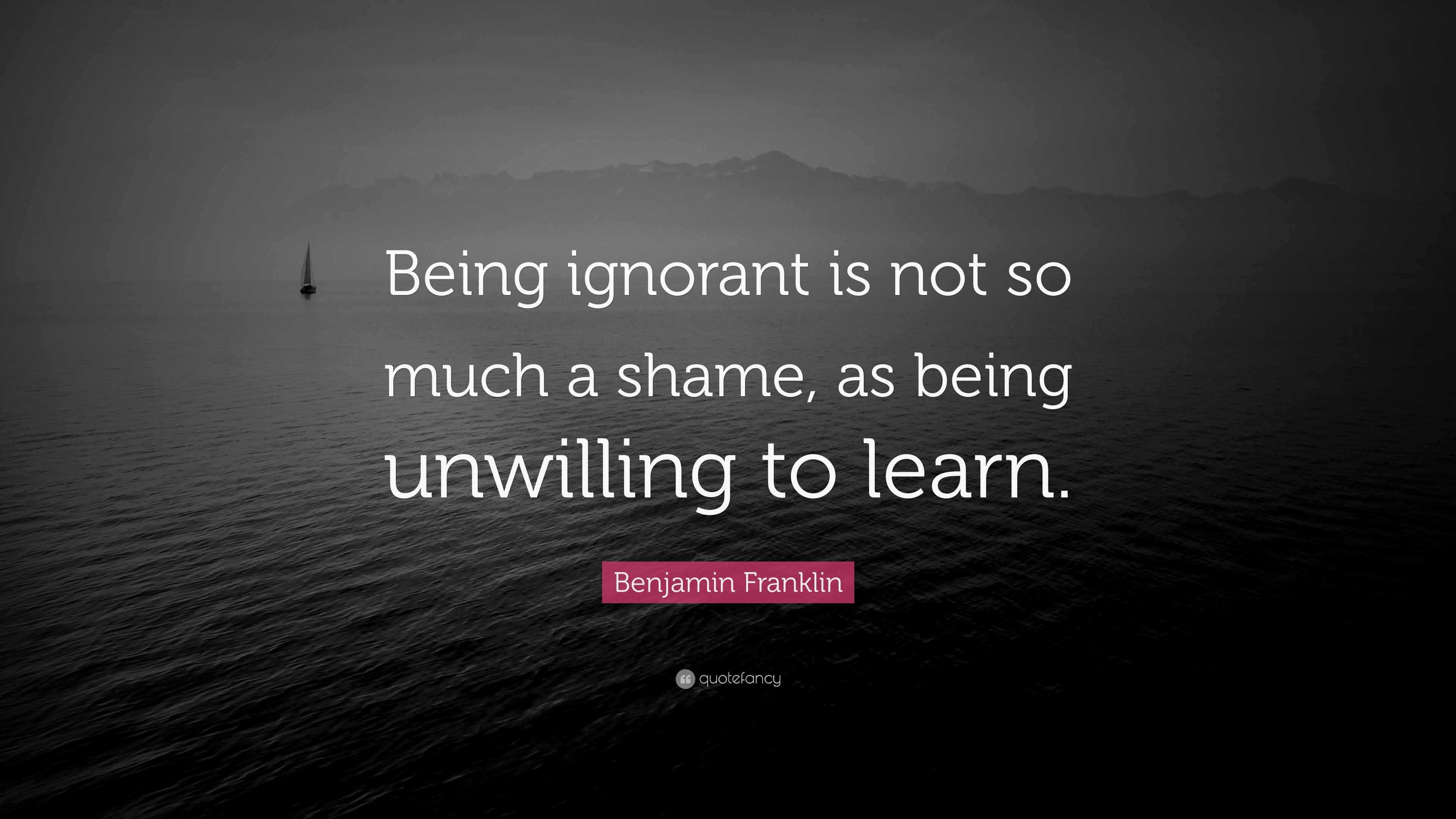
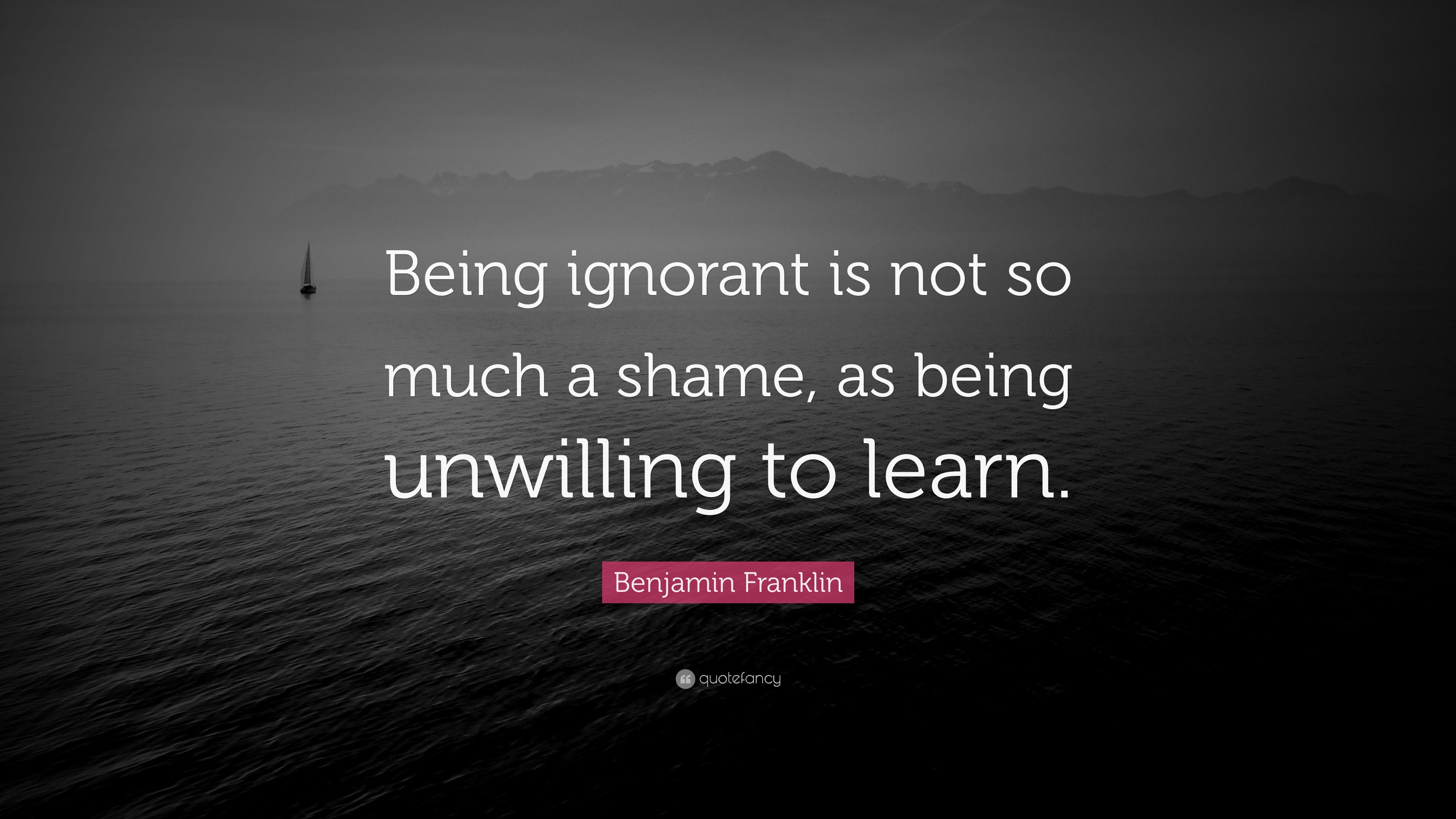
We have this ignorant-ignorance setting in where we are ignorant of our ignorance and are unwilling to learn. Instead, we quickly label anyone as different than us as “weird” in the pejorative.

May I suggest that we start seeing these differences and disagreements as opportunities to learn more about one another, ourselves, and grow out of ignorance?

Even if we didn’t change our conclusions, we could change how we understand others and how we relate to them. We won’t cling to needing others to be so like us, to feel OK.

Adulthood stranger danger is not cute, beneficial, psychologically or socially adaptive.

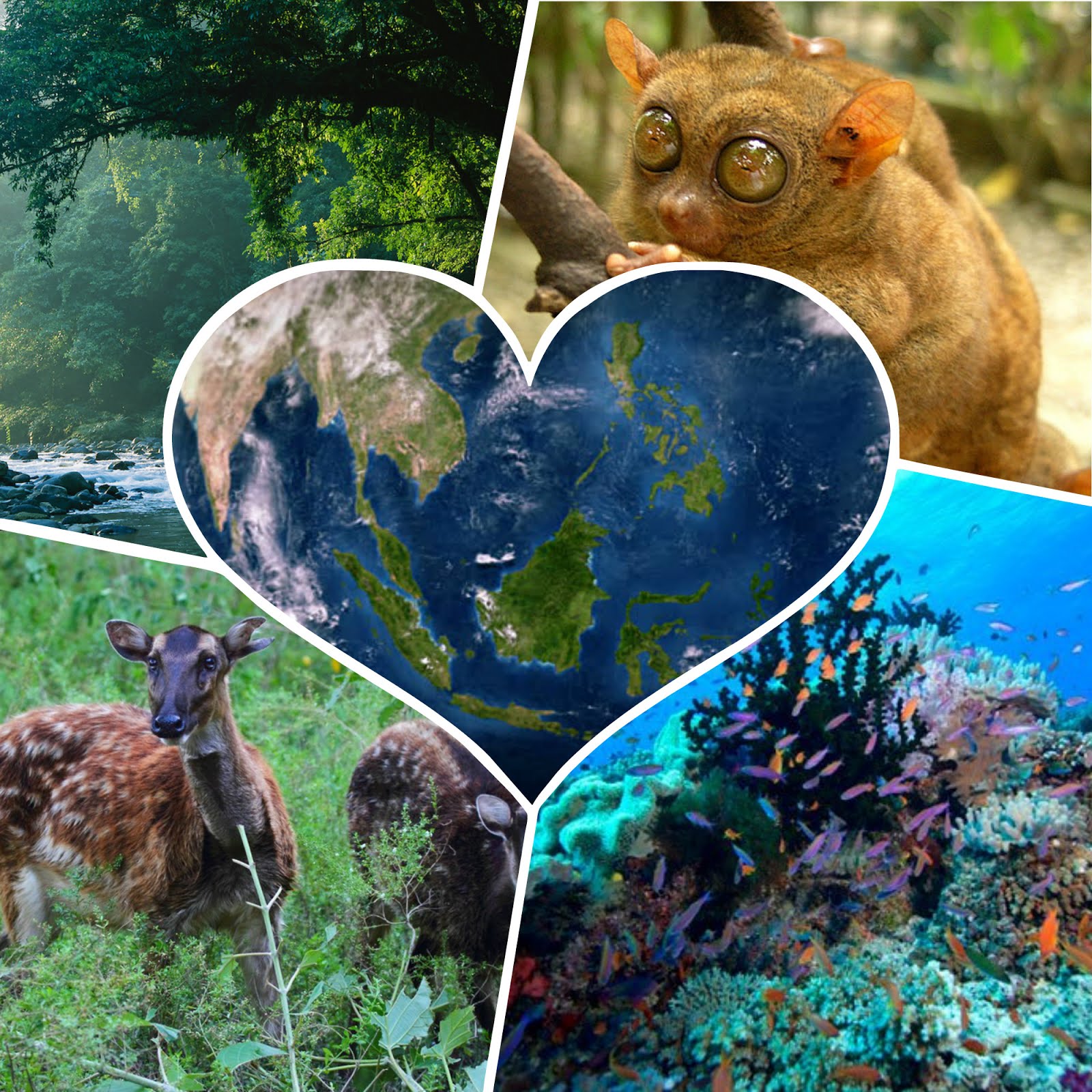
Difference Intolerance Disorder creates stunted adults and a not so good social ecology. Consider how biodiversity is embedded in nature.

There is an alternative way to be with those who are simply and normally, different. This involves humility, courage, and curiosity.

Imagine a world where people, just like the rest of nature, would expect (vs. suspect) and tolerate differences as if that was normal.

If you’re usually surrounded by or interacting with people who are pretty much just like you, consider all that you’re missing out on. And then get out there and grow.

Post Navigation