mindingmybiz

This blog is my shared process in working towards integrating self-awareness with all other aspects of life, while on my way to becoming more authentic and whole.

Archive for the tag “diversity”

Adulthood Stranger Danger

There’s a label I keep hearing people throw on others, and that is simply this: “Weird”.
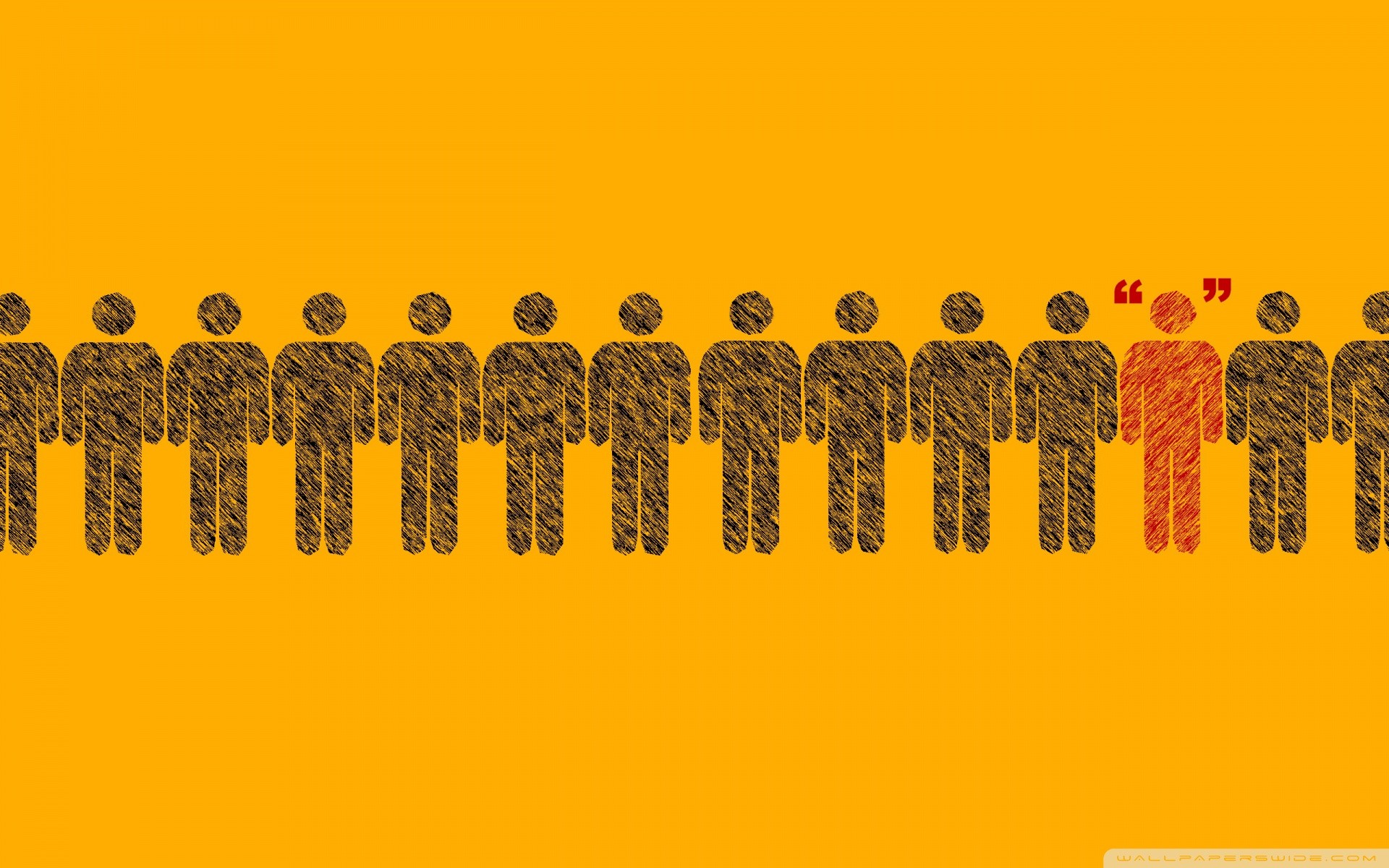
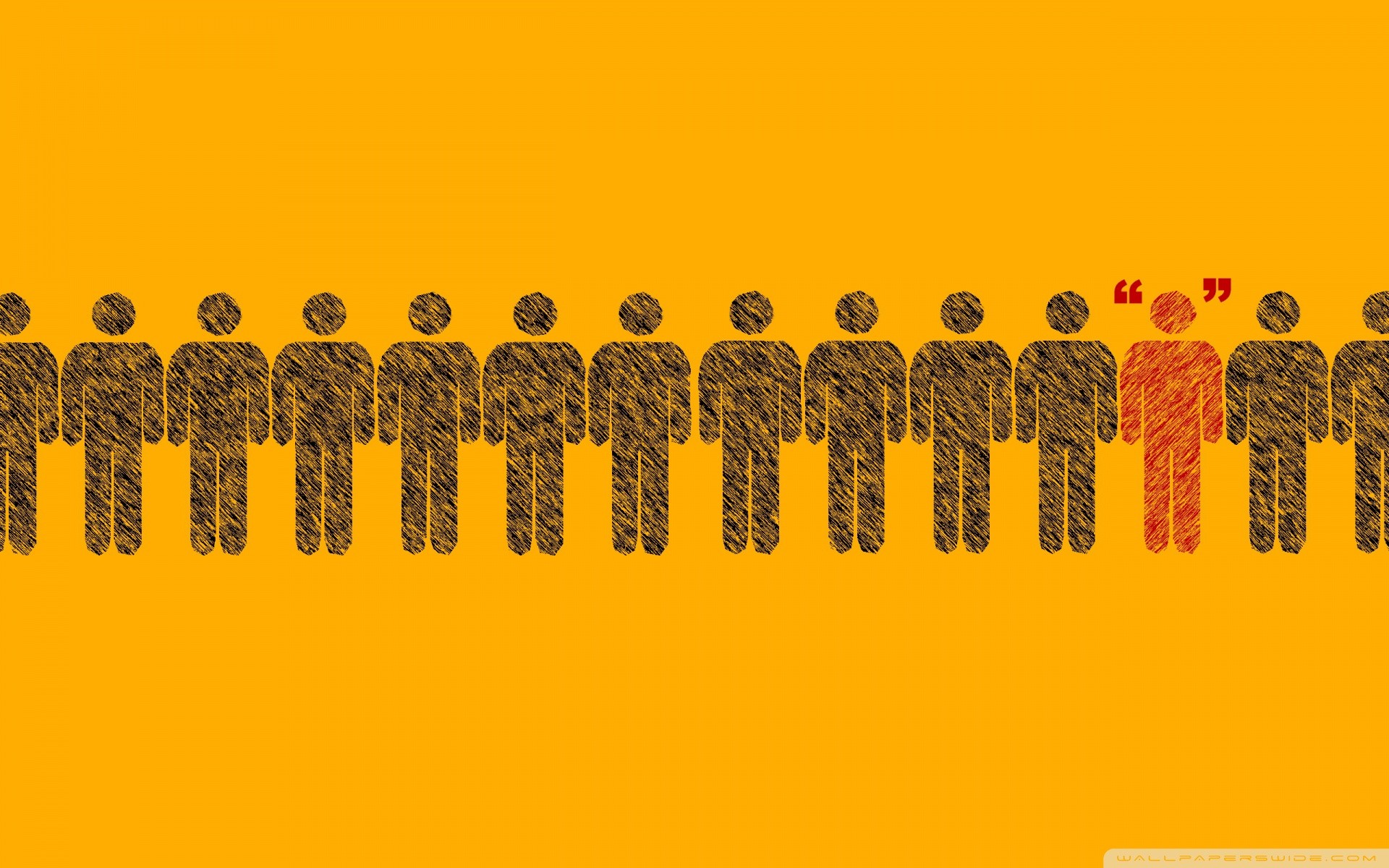
This “weird” is a pejorative, meaning: “not like me/us”. It could be anyone different, as if there is one set-standard of what’s considered “normal” and “acceptable”, which happens to confirm my biases!

In childhood, this may have helped keep kids safe from trusting all adults they didn’t know. In adulthood, the context for keeping ourselves safe is different because we are adults. We’ve got more capacity and maturity; emotionally, relationally, psychologically, financially, and physically.

What is “weird” or “strange” to us in adulthood could simply be what is unfamiliar or different. That’s it!

But how would we learn and grow if we approached everything that was unfamiliar or different as “dangerous”? Nobody would learn a new task or a new perspective or anything new at all! We would be pretty stunted people.

When it comes to meeting new people and encountering different perspectives as adults, “stranger danger” is a major barrier. If you want to learn and grow beyond what you already think and know, or think you know, then start to embrace differences.
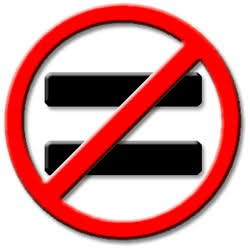
Different does not equal danger.

Disagreement does not equal danger.

Different does not equal deviant, aberrant, unsafe, or threatening…unless of course, you’re firmly stuck in being very fragile, rigid, inflexible, and have Difference Intolerance Disorder. Admittedly we can all slip into that state of being, and – we can all move beyond it, too.

Difference Intolerance Disorder is not an actual diagnosis. I just made that up. But I’ve experienced this in myself and with others, and it stunts adult growth and development.

When you encounter people who have a different take on something than you do, this does not mean they are dangerous. It simply means they have a different perspective.

When you encounter people who disagree with you, or whom you disagree with on certain issues it does not have to equal threat. It simply means there is a disagreement – a different perspective.

People are different than you. People see things differently. This is normal. Not weird.

What is weird is this generalization of Difference-Intolerance-Disorder, in that people expect others to be just like them, or they feel a sense of danger or threat which activates an intense response of fight, flight, freeze, or fawn – as if THAT is normal.
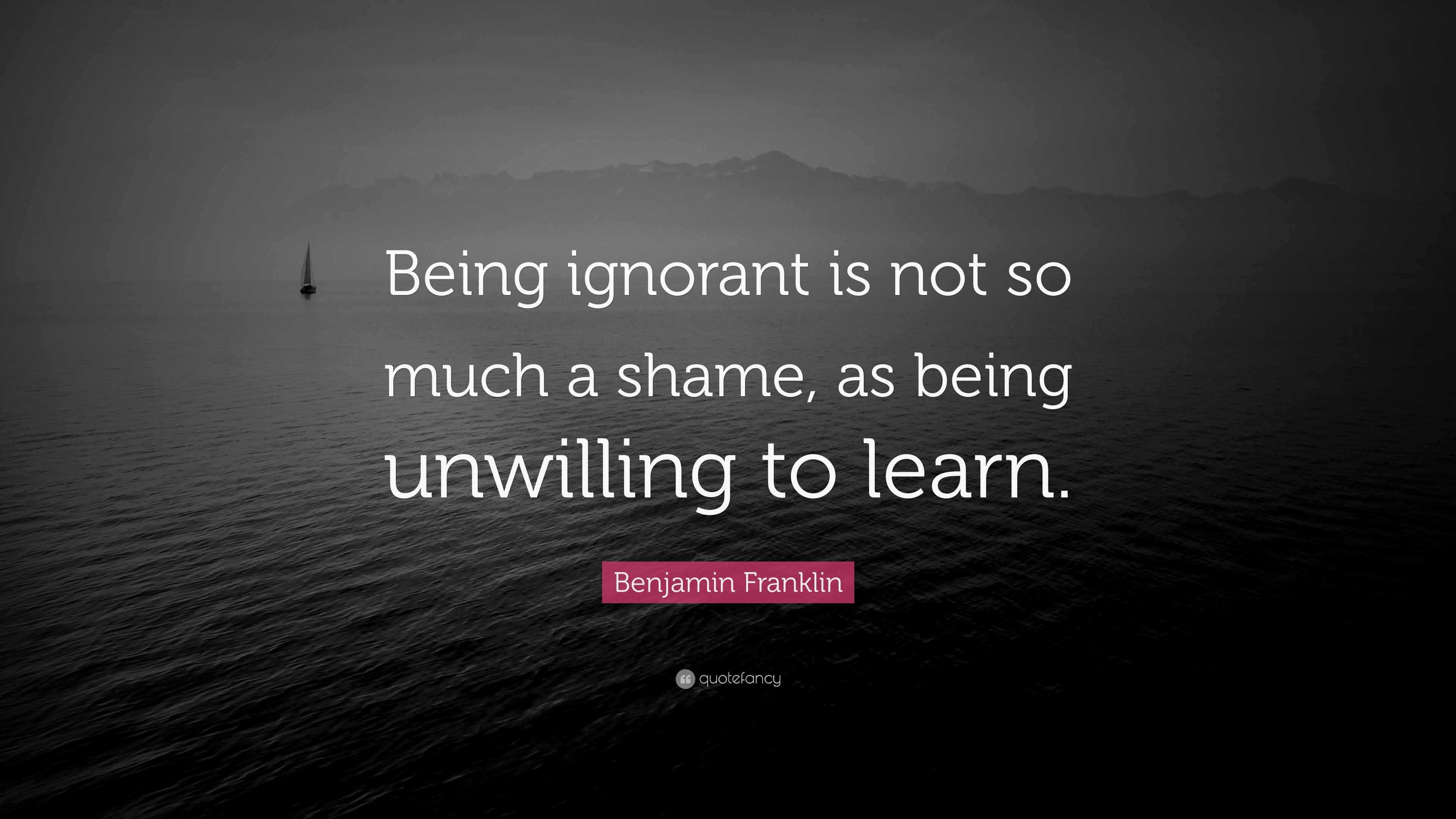
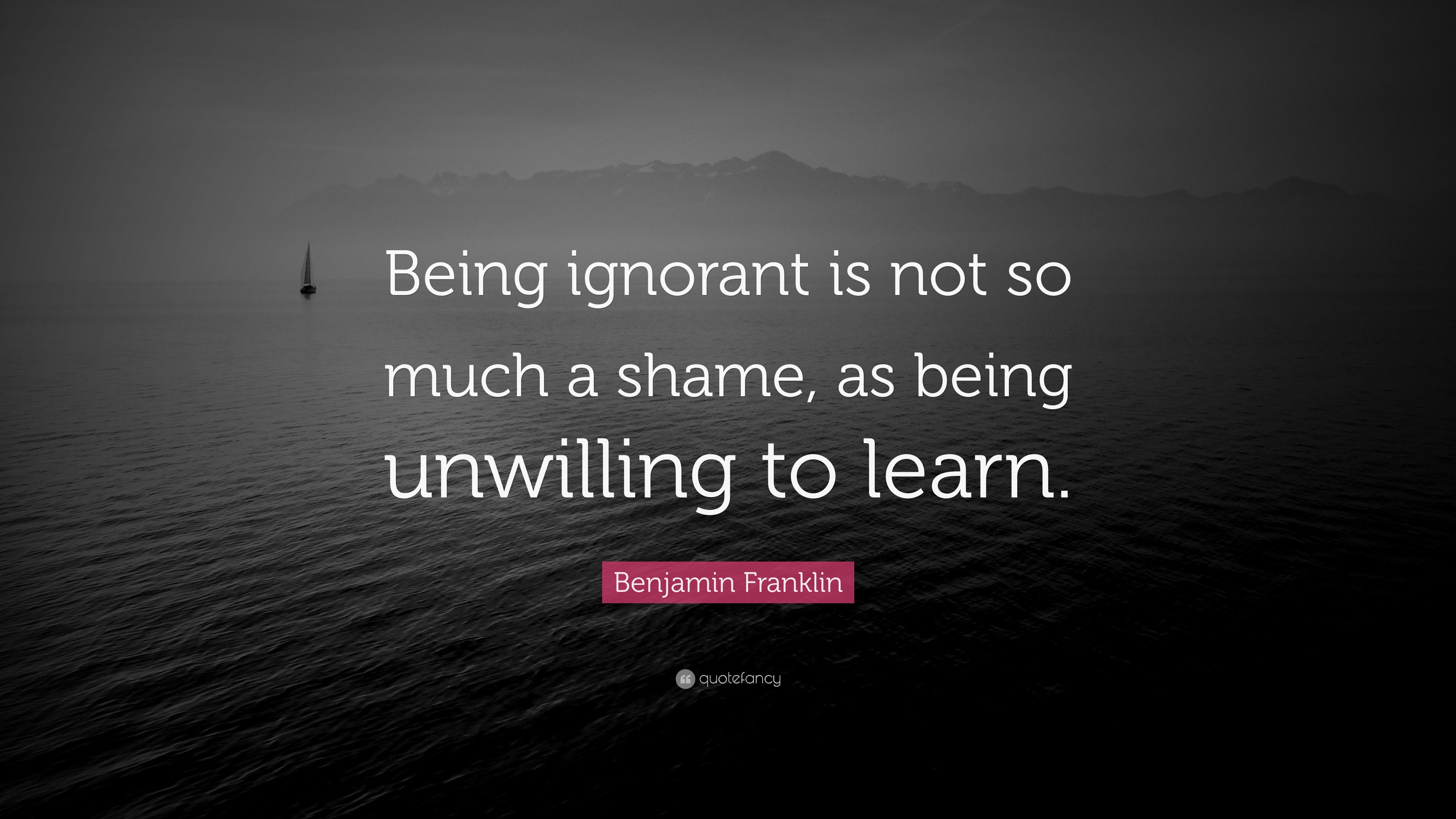
We have this ignorant-ignorance setting in where we are ignorant of our ignorance and are unwilling to learn. Instead, we quickly label anyone as different than us as “weird” in the pejorative.

May I suggest that we start seeing these differences and disagreements as opportunities to learn more about one another, ourselves, and grow out of ignorance?

Even if we didn’t change our conclusions, we could change how we understand others and how we relate to them. We won’t cling to needing others to be so like us, to feel OK.

Adulthood stranger danger is not cute, beneficial, psychologically or socially adaptive.

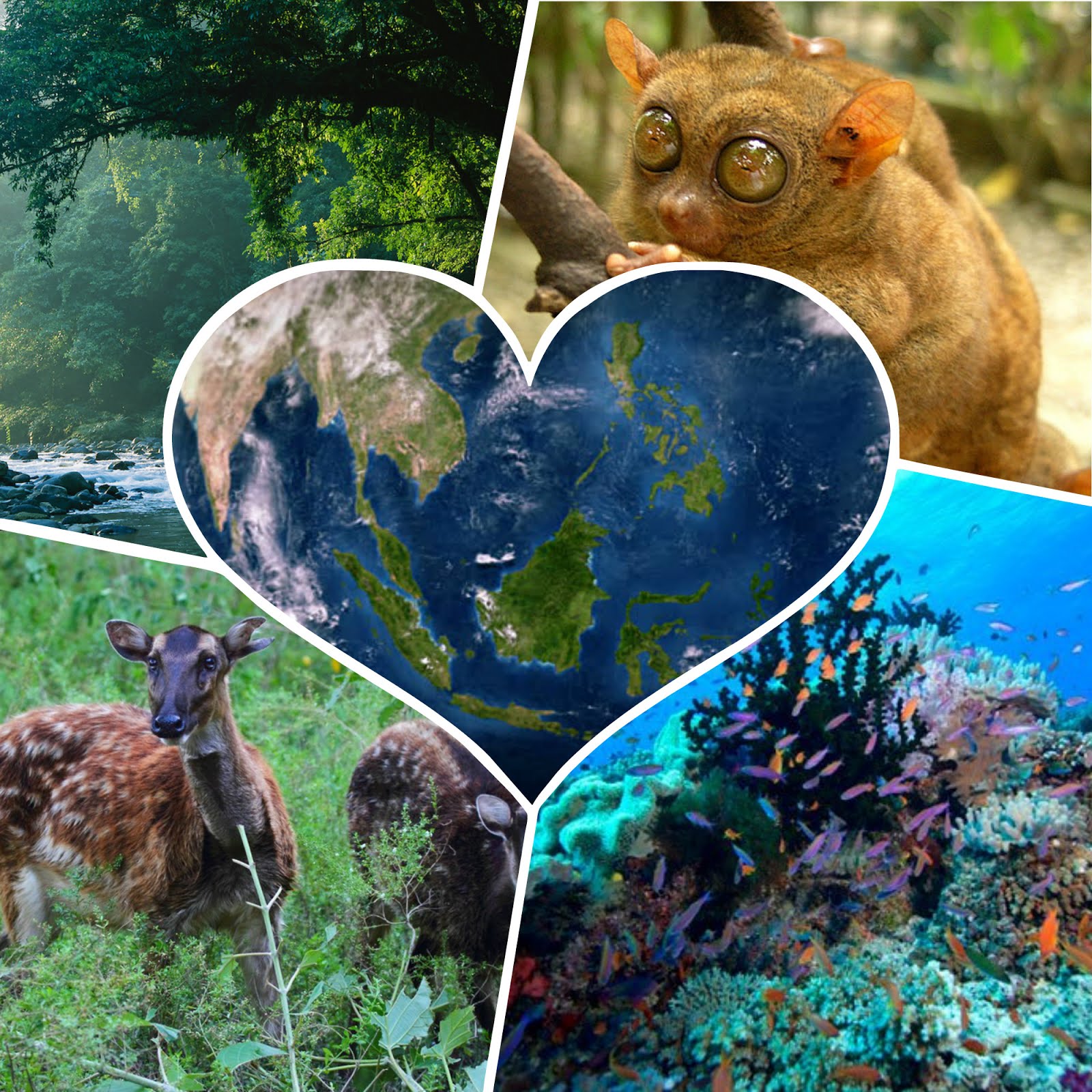
Difference Intolerance Disorder creates stunted adults and a not so good social ecology. Consider how biodiversity is embedded in nature.

There is an alternative way to be with those who are simply and normally, different. This involves humility, courage, and curiosity.

Imagine a world where people, just like the rest of nature, would expect (vs. suspect) and tolerate differences as if that was normal.

If you’re usually surrounded by or interacting with people who are pretty much just like you, consider all that you’re missing out on. And then get out there and grow.

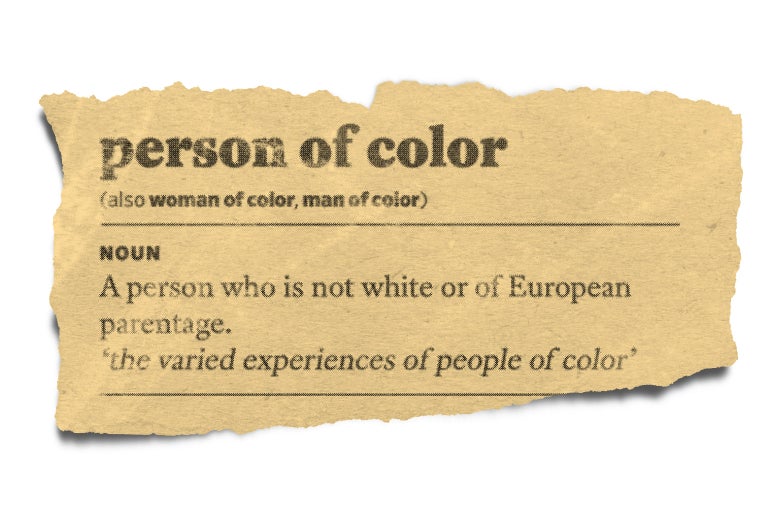
On Race. On Being Me. #POC. (persons of color)

I confess, I’m developing a reactive racial bias, but it’s creating balance, to correct an imbalance within. Though it may seem like all biases create imbalance, like everything else, there’s context to be considered. Read on…

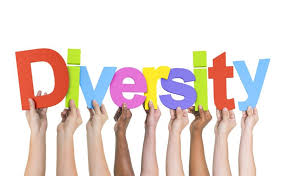
I’m starting to feel more comfortable around POC (see image).  In general, I experience POC as more humble, approachable, and down to earth.  This conscious observation is very new to me.  I’m growing into my own skin.  I’m accepting celebrating who I am, from the outside, in.  

I didn’t grow up with a positive association towards POC modeled to me.  I believe society and my parents (albeit subconsciously) didn’t, hold POC in a consciously positive, or at least overtly positive, light. This is not because my parents are immoral or cruel. They, like everyone else, self included, were conditioned by their culture. And when you are privileged with race, class, gender, or whatever – it’s easy to be ignorantly ignorant. It takes more effort to actually become as my 14 yr old daughters says – “woke”. In other words, have no idea that you’re ignorant unless you intentionally and humbly look, with trusted accountability.  

Embracing my POC status feels very empowering and self-respecting, and healing. This isn’t a grandiose form of empowerment which degrades others in order to feel good.  It’s bringing about a healing leveling playing field, from within.

Would this evolving bias offend some people?  Perhaps.  Like who?  -I’m suspecting those who have subconscious white fragility. A telltale sign of this if if you’re white, and pointing that fact out causes offense, and yet believe they are not impacted much by their racial status. This kind of mindset makes it hard to hear someone like me, who has struggled with racial identity. This racial discord as a trans-racial adoptee, is something I always felt but not on a conscious level. I steered clear from this area, until recently. 

Without any language, I’ve experienced dissonance around my racial identity and didn’t have people I could open up to about this. I’ve found that race is controversial, unless (broadly speaking) you’re in an echo-chamber of those who are just like you.  This was a very complacent but dull part of my identity. I isolated about this because it did make people noticeably uncomfortable and defensive. I grew accustomed numb to it be means of “adaption” or “assimilation” and therefore this watered a shame-based way of existing.

I am starting to really feel proud of being a POC (person of color).  And…

it’s about damn time.  

I grew up wishing (secretly) soooo intensely, that I had curly or at least, blonde hair, blue eyes, and was of course, white. I (subconsciously) loathed the undeniable fact that I was not white. I didn’t have natural blonde hair or blue eyes. This shame was complicitly supported by means of something powerful because it’s invisible – silence.

Unaware that this “thing” called “internalized racism” existed, I was profoundly but ignorantly plagued by it.  I developed ideas, beliefs, and behaviors that supported or colluded with the notion that “white is normal”, or at least was oblivious to this illogical, surreptitious, and pervasive, white supremacy/”normalcy” lens. Whatever was considered “white” in the culture, was “standard”, meaning: “right”, “best”, or “normal”.  Anything in the culture or about me that wasn’t considered in-line with this white standard was considered, deviant or aberrant, simply because it was different.  Different from what?  – whiteness. 

So, I confess.  I have this bias.  I am starting to gravitate towards POC.  I hope I’m not too awkward by my noticing this more. I know, it’s weird, because I am one, too.  A POC.  But, I have not embraced, let alone cherished it.  I’ve maybe accepted or “tolerated” my racial identity at most.

I’m inspired by POC who are proud to be POC.  Who notice the differences, in a POSITIVE and FAVORABLE light, not just a “tolerable” one and can break this silence of complicit white supremacy.

I (like my white parents) have been brainwashed by white supremacy, except they’ve subconsciously had advantages from this, I haven’t. Aka. white privilege.  Sorry, I know that’s a buzz word for some white people. How dare I draw attention to your racial identity! Well, I dare. POC are used to this, being referred to by their race by people of a different (the majority) race, all the damn time. “This Asian girl” “This black guy” “This Native woman” “That Hispanic kid”. Rarely do you hear white people saying “this white man”.

I’m now, in a phase of conscious deconstruction and deprogramming in many aspects of my life, that I took for granted. As a KAD (Korean Adoptee) of white parents I have transracial, white privilege.  Yeah, it’s complicated. Race IS. This is probably why I didn’t question my race for a long time, because it was the water I swam in and nobody in my immediate circles growing up talked openly about it either. This started to shift in adolescents, but I didn’t have adults I could talk to about my cognitive dissonance being transracial.

In adulthood, reflective deconstruction and reconstruction is taking place spiritually, socially, politically, philosophically, and emotionally – I am sometimes a hot mess driven by my inner maverick. It’s a lifelong process of becoming “woke”. For me, deprogramming from mainstream culture or at least the predominant subculture I grew up that didn’t acknowledge my differences within my social environment (white, suburban, Evangelical culture) is an ongoing process of discovery and self-affirmation, in the awoken beautiful face of…


This feels, freeing.  It frees up space inside for me to occupy – me, and love it. I’m liking my racial identity and affinity towards POC, that does not white out, me.


Post Navigation