On Emotions

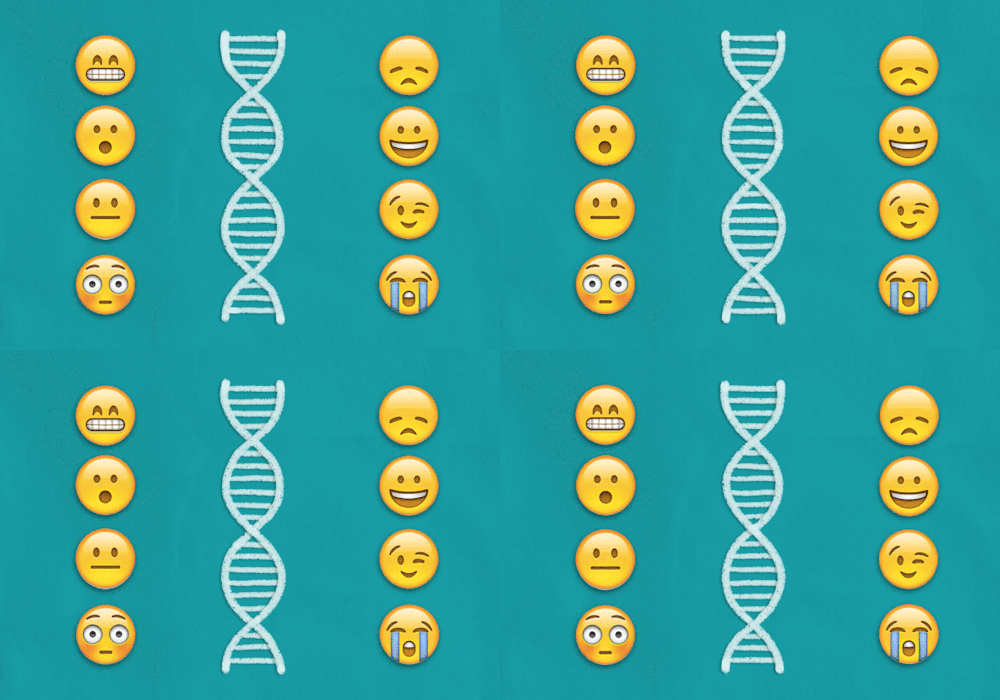
Emotions are part and parcel of being alive and human. They exist for the purpose of survival and flourishing.
Emotions are forces of energy which propel us to take particular actions that are supportive, protective, transformative, and creative.
Yet, just like other forces of nature or energy like heat – their power can range from being productive to destructive.
One of the first things to understand about emotions is that most of our understanding about emotions is flawed. More specifically – misguided, unhelpful, and even harmful.
Emotional literacy is not taught in our schools, nor is it valued. This leaves us far more ignorantly vulnerable and unprotected to the pathological, maladaptive, and misuse of emotions which are incredible sources of energy, power, healing, and innate wisdom.
Instead, we judge ourselves and others for having emotions even though they are a natural part of human evolution. We apply a lens that is restrictive and limiting to our emotions that is dualistic: “right or wrong”, “good or bad”. This makes it a lot harder to do what is evolutionarily intended: to feel them, and if they are intense – to feel and acknowledge them in the presence of supportive and understanding others.
So then – How do things go so awry when it comes to emotions?
Let’s start from the beginning, when humans start to develop. Infancy.
In order for infants to develop optimally – they naturally need and depend on an emotional bond with at least one caregiver that is characterized by a felt experience of: Belonging, reliability, comfort, being delightfully interested in, nurturing, and protection.
This kind of relationship in turn facilitates, understands, and values the preverbal communication of the infant – which is through expression of a range of different emotions.
The infant expresses feelings and needs: physical, social, and psychological. This forms the foundation for the child to develop their sense of who they are (self), in and through their relational experience of feeling enoughness: safe enough, good enough, on a consistently enough basis.
The necessary enoughness involves relational repairs when the inevitable human misattunements occur, which rupture the secure emotional bond from being experienced.
Relational repairs in childhood actually increases the tolerance level for inevitable misattunements and minor emotional injuries by loved ones. This is in a similar fashion to how the immune system develops – through micro exposures to a variety of foreign organisms it’s forced to adapt to, but I digress…
This kind of relational experience with at least one significant caregiver becomes internalized and cultivates how the child comes to see themself, even in a not yet consciously aware way.
This relationally developmental process profoundly influences the initial way the child sees themself and others in the years to come.
So, for better or worse: Young and vulnerable humans (infants) internalize how they are treated, responded to, and reflected back, by caregivers.
How are the inevitable mishaps, misattunements, and miscoordinated interactions by loving but imperfect caregivers handled?
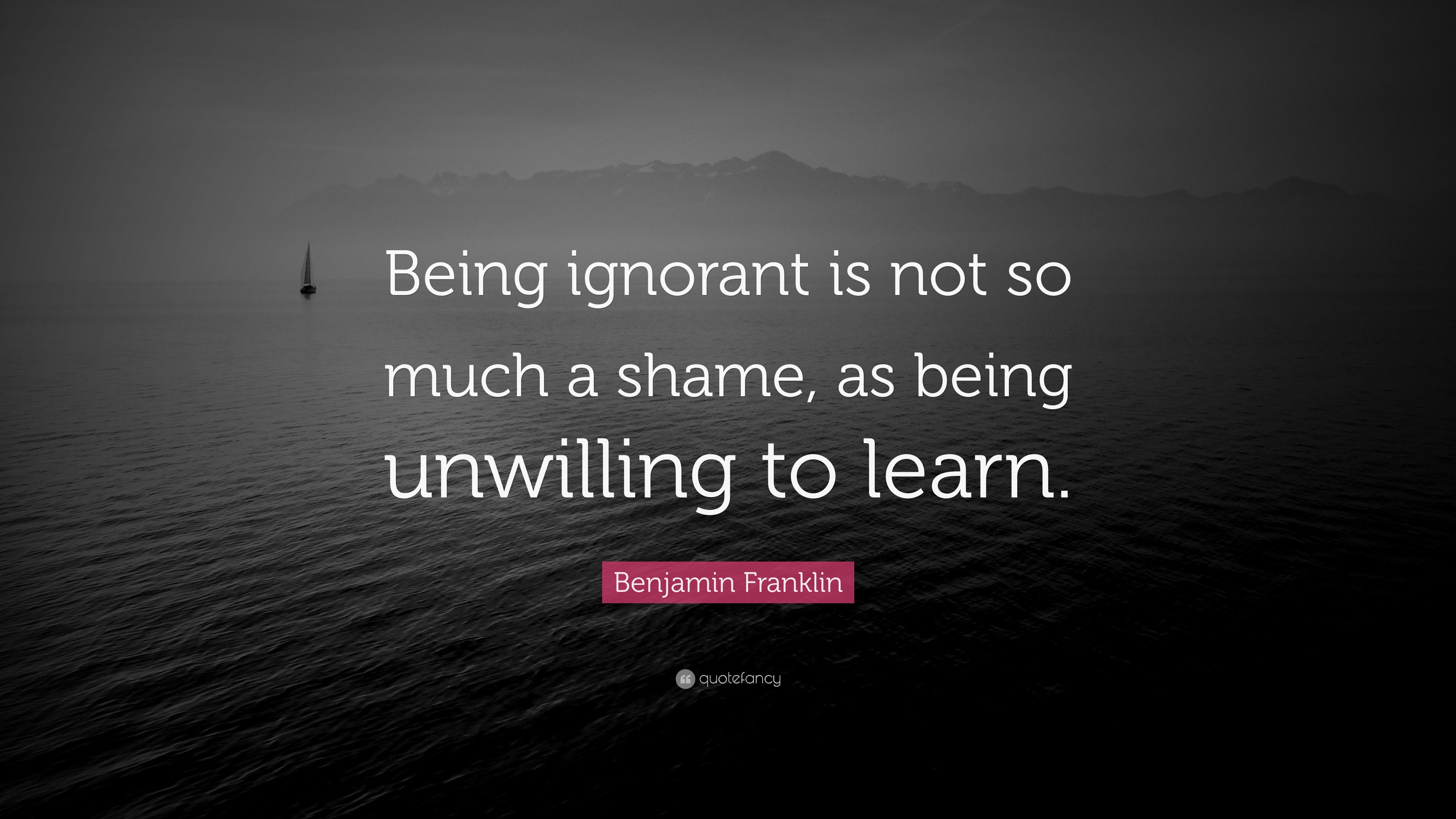
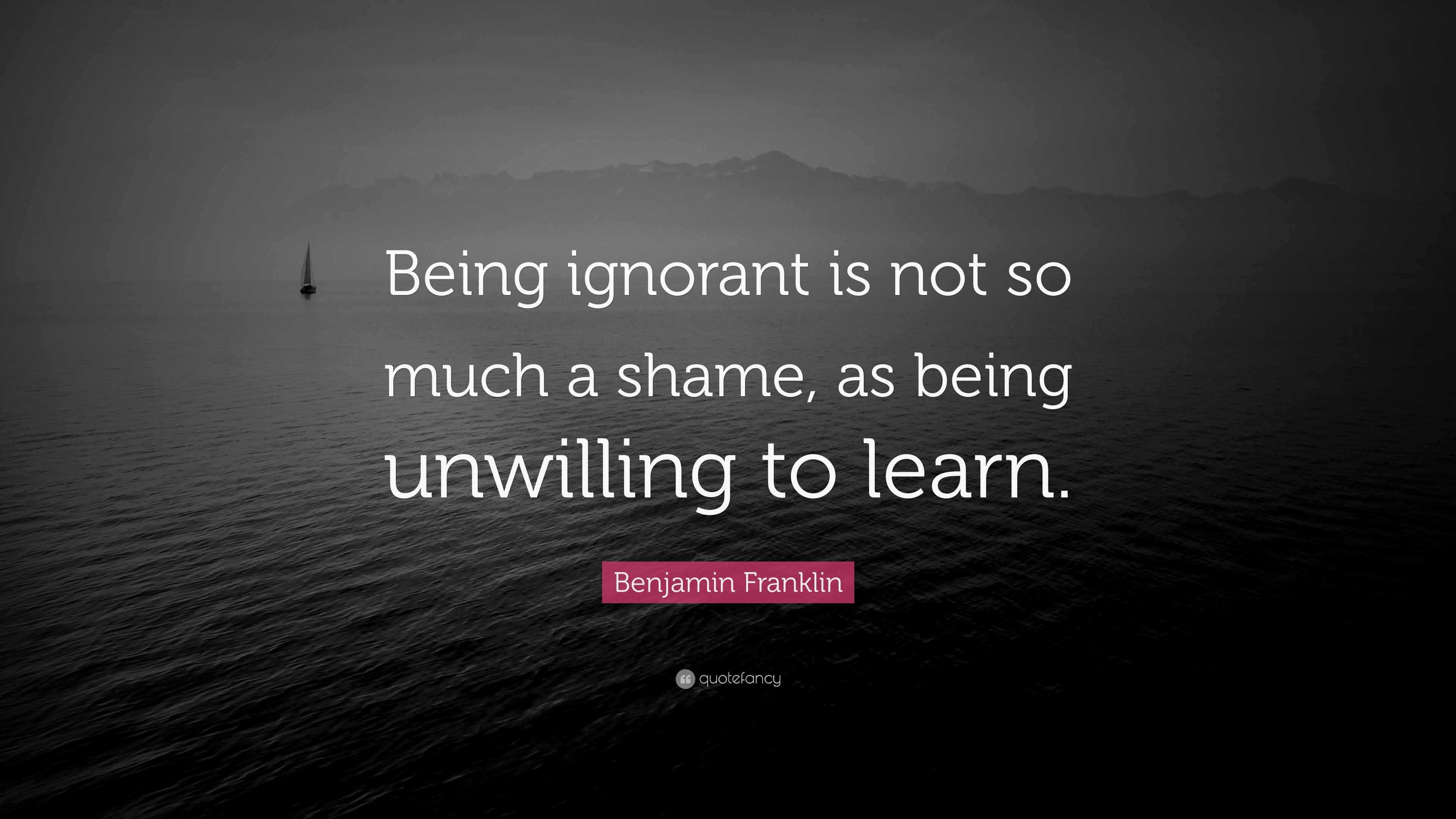
It depends a lot on how the caregiver responds to feeling vulnerable and exposed as imperfect. This is where the difficult but important emotion of shame comes in. How do they respond to feedback that communicates: You’re missing me. You’re not getting it right with me – and it’s important to get it right – which activates some shame go alert for a course correct.
Will the caregiver rigidly defend against feeling shame and vulnerability to making mistakes? Or will they be open to owning that natural although uncomfortable part of being human and learn because shame is a marker that something important is occurring in this moment.
Can they respond to the invitation to reflectively course-correct with compassionate curiosity? This is the gift of within-tolerance-level shame. It alerts us to the inevitable need to course-correct when engaging in something that is important to us, like our relationships.
Course-corrections are a universal aspect of what it means to be human.
Humans are mistake-and-error-makers.
And –
Human are an incredibly teachable species, or we would not have been able to adapt and survive.
This learning or adaptiveness takes place when we are not so hardened to shame.
Self-compassion is an essential protector from intolerable shame which often in turn leads to being defended against or hardened to shame. That just robs us of the opportunity to make adaptive changes and course corrections on this journey called life.
That is my evolving introductory reflections from reading about attachment, affective neuroscience, developmental trauma, and on accelerated experiential dynamic psychotherapy (AEDP) which is a healing oriented approach to therapy.
In deep gratitude I continue to learn and have been profoundly influenced by studying the work of:
- Diana Fosha
- Hilary Jacobs Hendle
- Peter Fonagy
- Kristin Neff
- Steven Hayes
- Daniel Siegel
- Ed Tronick










 mindingmybiz