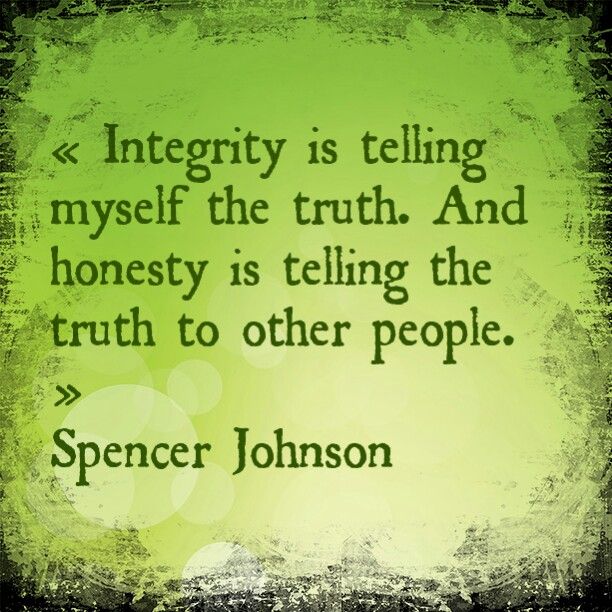
An extremely worthwhile practice that will gradually give yourself invaluable inner strength and beauty, is simply increasing your tolerance level for uncomfortable truths.
This practice benefits countless areas of our lives. When our tolerance level for uncomfortable truths grows, the energy invested in avoidance, suppression, or denial is diminished and therefore becomes available in much more life-giving ways. For starters, you’ll have a lot more energy freed up to be present and consciously aware, and to heal and develop further on so many levels. That’s powerful.
There’s a lot of attention and talk lately on “raising” or “expanding your level of consciousness” or “raising your vibration”. But how do you do this when you have a low tolerance level for uncomfortable truths and a high tolerance level for bullshit, because it’s less immediately uncomfortable? You really can’t. Sorry, but that’s an uncomfortable truth I’ve bumped into. Consistently.
Just as with people who want to build their physical strength or become more flexible might go to a gym, dedicate time to workout, or stretch tight muscles each day; the capacity to tolerate uncomfortable truths takes some practice and intention as well. You go about it in similar ways as building physical capacity — you stretch your comfort zone on purpose, little by little, over time.
If you’d like to become more physically flexible you start where you’re at, inside your comfort zone, and you stretch beyond that until you’re mildly uncomfortable. Eventually you will experience that you can handle this. Self-trust develops. Your confidence grows, little by little and after awhile you’ll be able to stretch beyond your comfort zone until you’re moderately (not extremely or severely) uncomfortable.
You’ll be able to soon take pride and joy in these little incremental shifts in the direction you want to be headed towards. In other words: progress. Your progress.
If you were to physically push yourself too hard, it would likely backfire. You could injure yourself and need to stop and recover. It happens. Know your limits and respect them. This is similar to the non-physical capacities.
I want to become more flexible and resilient when it comes to uncomfortable feelings that are associated with uncomfortable truths. Why? Because I don’t want to compromise on integrity and honesty just to avoid immediate discomfort. I’ve done this and experienced results that are less than grand, let’s just say that. This unconscious habit I had developed way more pain than to tell myself the uncomfortable truth, it was just delayed pain. But it always came, just as you can’t throw things up in the air and expect them not to drop.
This is where self-deception breeds – avoidance of uncomfortable truths. It appears as a way to “protect” myself and “preserve” my comfort level, but in reality it comes at a high expense later, and often to others I care a great deal about. It hurts. Unless you’re so numbed out, you’ll be hurting later. And News Flash: Numbing out always ends. Reality has a way of being real, and is pretty patient.
What is the way through this? It isn’t to avoid truths that are uncomfortable! It’s to raise the tolerance level of discomfort by raising the level of self-trust. Trusting that I can befriend uncomfortable truths. I don’t need to turn away from them. That actually colludes with the notion that I cannot be trusted with uncomfortable truths. I can, but I just need time and intention to build this capacity, just like everyone else. This is time and effort well spent. There will be a better return on this than on denial and bullshit.
One way I’ve found most helpful is to utilize writing or typing in a journal (or a blog!) because I’ve found writing to be incredibly resourceful for me. If you’ve tried writing (like for real, tried) and it just isn’t your thing, find what IS your thing. Maybe looking into a mirror or just talking out loud in the safety and privacy of your own presence, while recording it and playing it back helps. Just make sure it’s kept in a safe space where you get to decide who and where it’s shared or not shared.
Ask yourself if there is anything you’d like to say that you’re afraid of saying (or writing) out loud or out in the open, just with yourself. It could be as simple as “I hate my aunt JoJo’s pies that I say I love” or “I think I have a problem with ________”. The point right now isn’t to do anything other than just practice telling yourself uncomfortable truths. Sometimes taking premature or impulsive action to “fix” or “improve” a problem (perceived or actual) can inadvertently be a slick escape route. It could be an indirect way to avoid being with an uncomfortable truth.
So, for now you don’t need to fix any problems or take any actions other than just telling yourself this truth. That is big enough. Of course if you find wisdom perking up, take it and converse with it. But if you don’t, that’s not an indication you’re not doing this “right”. Re-read the title of this post: “Raising Your Uncomfortable Truth-Telling Tolerance Level”. That’s it for now.
While you do this, consider affirming how proud you are to be admitting this difficult and uncomfortable truth out loud. For me, this often encourages me to trust myself more. To trust that even if this uncomfortable truth doesn’t shift, my fear or angst around it does. The fear starts to loosen. I experience accepting myself more and more because I am being REAL with myself, and that is tapping into my own power.
You may notice harsh self-judgments, that you don’t like yourself and you have a strong opinion about your opinion. There’s a reason why you’ve avoided this – herein lies the discomfort. Right here.
You are facing it.
Breath slowly and embody your body as you do this.
You are engaging your courage in a way that might be very new to you. Take it as slow as you need. Recruit others you trust for support, that has been immensely helpful for me, including having a trauma-informed therapist.
Affirm that you value being honest especially when it’s hard and therefore you value this practice. This uncomfortable truth might not even feel the same or as true or powerful for you tomorrow, or in an hour. This is the mysterious and powerful nature of bringing things into the light. Into conscious awareness. The hold that avoidance and denial have weakens and your perceptions and experiences may shift and start transform or even shed.
Avoidance of uncomfortable truths demands a lot of energy. A lot. This energy could otherwise be used for say, your immune system or other life-supporting endeavors. Once you put your energy into turning on the lights on whatever you’re truth-telling, I’m telling you…that energy or life may take flight or change. As in what you’re feeling and thinking might not seems as intense or strong, and/or you may gain more clarity.
Denial can be like an energy vampire. Truth-telling can be like a powerful shield from this vampire. From bullshit. Of course I’m speaking metaphorically here but it’s to make the point that truth-telling is a powerful way of taking back your power that was sucked into avoiding uncomfortable truths.
You may discover or uncover pearls of wisdom and insight while practicing this. Or you may just expand your own tolerance level and build more capacity for uncomfortable truths. This in and of itself adds to a felt-sense of being, that feels stronger and safer versus taking away from it in order to maintain “comfort” that does not serve you because it’s an act of self-betrayal when we self-deceive.
I should clarify, when I use the word “truths” I’m referring more to subjective truths, not objective truths, although it may include that too.
What is your perspective, your experience, opinion, or feeling? Name these. Own these so they don’t own and control you. They are often more flexible and less rigid when they are accepted and integrated into our conscious awareness. It’s when we cannot tolerate uncomfortable admissions of truth or self-honesty, that we will attempt to hide from our very own experiences, feelings, thoughts, and parts of ourselves (as if you really can; hence self-deception).
This creates fragmentation. A disconnection within.
Not anymore.
You can have your own back. You don’t have to turn your back on yourself when you trust yourself more.
This is empowering.
Integrate these uncomfortable truths little by little, and you will be owning more and more of yourself by BECOMING more connected within yourself, and interpersonally with others.
It’s hard to know how to resolve issues or conflicts with ourselves or others when we are disconnected and fragmented by denial within. Often, numbing out with distractions or chemicals is utilized, only to reinforce that we shall not be trusted with our uncomfortable truths. Bullshit. You can raise your tolerance level, with practice and patience.
You really can build this inner well of deep self-trust, this inner sense of power by raising the tolerance level for uncomfortable truth-telling.
Be gentle as you go. You can live in integrity and honesty as an integrating being, and enjoy the benefits from the inside out. You were made to enjoy this way of being fully alive.
Posted in
emotional health,
Goal setting,
mental health,
morality,
personal growth,
recovery,
Recovery,
Uncategorized,
Wisdom and tagged
conscious awareness,
consciousness,
courageous truth,
honesty,
integrity,
mindful practice,
self awareness,
self empowerment,
telling the truth |